Warren Buffett’s Successor Greg Abel Lands $25M CEO Paycheck

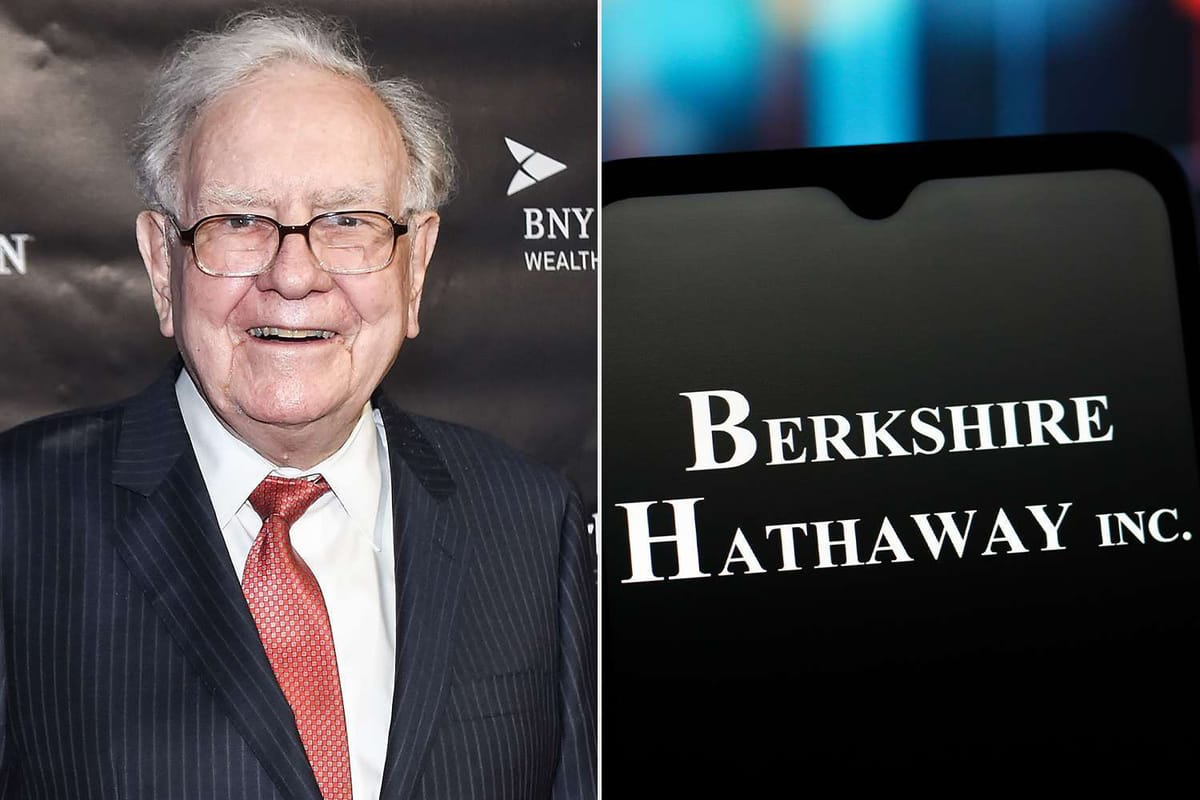
Berkshire Hathaway has officially entered a new chapter. The legendary conglomerate announced that it has raised the annual salary of its new chief executive, Greg Abel, to $25 million, a striking contrast to the famously modest $100,000 salary Warren Buffett accepted for more than 40 years.
The pay hike underscores not only a leadership transition but also the changing realities of running one of the world’s most valuable and complex companies. Abel, 63, took over as CEO on January 1, stepping into the role after nearly a decade as Berkshire’s vice chairman overseeing its vast non-insurance operations.
While Buffett remains chairman and a guiding presence, day-to-day leadership is now firmly in Abel’s hands.
A Stark Contrast With Buffett’s Frugal Pay
Warren Buffett’s salary has long been part of his mythos. For decades, the “Oracle of Omaha” accepted just $100,000 a year, no bonuses, no stock awards, no lavish perks, even as he built Berkshire Hathaway into a corporate giant worth more than $1 trillion.
By comparison, Abel’s $25 million salary is eye-catching. Yet it didn’t come out of nowhere.
Before becoming CEO, Abel was already one of Berkshire’s highest-paid executives. His compensation steadily increased in recent years as Buffett prepared him for the top job.
In 2022, Abel earned a $16 million salary plus a $3 million bonus. In 2023, his salary rose to $20 million. In 2024, it climbed again to $21 million.
The new $25 million figure reflects both his expanded responsibilities and the formal transition of power.
Trusted by Buffett, Tested Over Time
Unlike many corporate successions that feel rushed or uncertain, Abel’s rise has been slow, deliberate, and highly transparent.
He joined Berkshire Hathaway Energy in 1999 and spent decades inside the organization before becoming vice chairman in 2018. In that role, he oversaw a wide range of Berkshire’s non-insurance businesses from energy and manufacturing to retail and transportation.
Those operations include some of the company’s most well-known assets, such as the BNSF railroad, major utility businesses, and dozens of industrial and consumer brands.
Buffett repeatedly praised Abel over the years, calling him a natural leader with a deep understanding of Berkshire’s decentralized culture. By the time Abel was officially named successor, the decision surprised few investors.
Ajit Jain and the Compensation Context
Abel’s compensation history closely mirrors that of Ajit Jain, Berkshire’s vice chairman who oversees insurance operations. Jain received similar pay packages between 2022 and 2024, reflecting the company’s view that both men played equally critical roles in Berkshire’s success.
While neither Abel’s nor Jain’s compensation for 2025 has yet been disclosed beyond Abel’s new salary figure, the parallel structure highlights Berkshire’s internal consistency even during leadership change.
Ownership Aligns Incentives
Despite his high salary, Abel’s financial interests remain closely tied to Berkshire’s long-term performance.
He owns roughly $171 million worth of Berkshire Hathaway stock, giving him substantial skin in the game. In addition, in 2022, he sold his 1% stake in Berkshire Hathaway Energy back to the parent company for $870 million, a move that simplified ownership while reinforcing his commitment to the broader organisation.
Unlike many CEOs who rely heavily on stock options and incentive bonuses, Abel’s wealth is already deeply connected to Berkshire’s success, a structure that aligns closely with Buffett’s long-standing philosophy.
A Different World, a Different CEO
Buffett himself has acknowledged that times have changed. The corporate environment Abel inherits is far more complex, regulated, and global than the one Buffett navigated decades ago.
Berkshire today controls nearly 200 operating businesses across insurance, energy, manufacturing, railroads, and retail, many of them operating in industries that demand constant oversight, regulatory navigation, and capital discipline.
Paying a market-competitive salary to a CEO managing an empire of this scale is widely seen as pragmatic rather than extravagant.
Investors React Calmly
Despite the headline-grabbing figure, investor reaction has been muted. Berkshire shareholders have long trusted Buffett’s judgment, particularly when it comes to succession planning.
The company has consistently emphasized that its executive compensation structure is “different” from that of most public companies, designed to reward responsibility, continuity, and long-term thinking rather than short-term stock performance.
Abel’s salary, while large in absolute terms, is still modest compared to compensation packages at other mega-cap corporations where CEOs routinely earn far more through bonuses and equity awards.
The End of an Era, Not the End of a Philosophy
Buffett remains chairman and an active voice, but the baton has clearly been passed. Abel’s elevated pay reflects the reality that he is no longer simply the heir apparent; he is the leader.
Still, Berkshire’s core values appear unchanged. Decentralized management, long-term investing, disciplined capital allocation, and trust in capable managers remain central to the company’s identity.
As Berkshire Hathaway moves forward under Greg Abel, the numbers may look different, but the philosophy that built the conglomerate appears firmly intact.
The $25 million salary doesn’t signal excess; it signals transition.