
Waymo Nearly Doubles Robotaxi Use to 450K Weekly

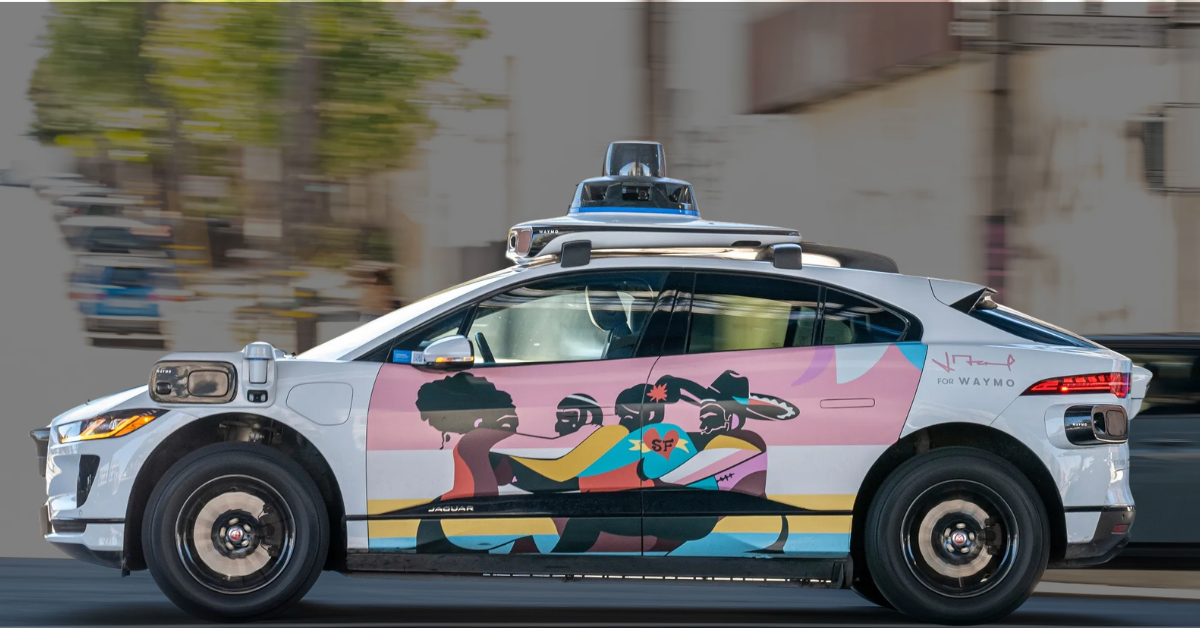
A leaked investor letter shows Waymo nearly doubled its weekly robotaxi rides in just six months, showing how autonomous vehicles may be shifting from niche novelty to mainstream urban mobility.
Just months ago, Waymo publicly disclosed it was providing around 250,000 robotaxi rides per week across its active markets, a code for a slow-but-steady climb in autonomous mobility adoption. But according to a newly leaked letter from investor Tiger Global Management, which surfaced on December 8, 2025, the real number has ballooned to 450,000 rides per week, a staggering increase that signals Waymo’s push from early adopter interest to what may be its first taste of mass-market traction.
For a self-driving company long under pressure to prove robotaxis are scalable transportation solutions, the jump in ridership suggests the future may be arriving sooner than many expected.
Adoption, Reach, and Growing Confidence
The leap to 450,000 weekly rides points to more than just curiosity about driverless cars, as it suggests growing public acceptance and real demand. Waymo currently operates its commercial robotaxi service in several major US cities, including Los Angeles, the San Francisco Bay Area, Phoenix, Austin, and Atlanta.
The surge also reflects the maturation of improved mapping, better software, expanded fleet size, and broader geographic coverage that together make autonomous rides more practical for everyday use, commuting, errands, rides to the airport, or nights out. And for urban residents grappling with rising parking fees, traffic congestion, and unreliable public transit, robotaxis could offer increasingly attractive alternatives.
Moreover, Waymo’s success may mark a turning point for public perception of autonomous vehicles (AVs). Where once AVs were viewed as risky experimental gadgets, their growing ridership indicates they may now be creeping into the mainstream, through trusted, used, and perhaps soon, the norm.
Expansion, New Cities, Wider Coverage
The leaked investor letter doubles as a forward-looking signal. According to the disclosure, Waymo plans to expand aggressively in 2026, with intentions to launch robotaxi services in 12 additional US cities, including major metropolitan areas such as Dallas, Houston, Denver, Nashville, and San Diego.
If those plans materialize, the 450,000-weekly-ride mark may soon look modest. Expansion across large, diverse cities, with different traffic patterns, regulations, and user behaviors, will test whether robotaxis can scale nationwide or remain successful only in tech-savvy, regulation-friendly regions. However, the ambition is clear that Waymo is racing to make robotaxis a ubiquitous option for urban transportation across America.
Why This Surge Is Important For Cities, Transportation, and the Future of Driving
Waymo’s growth spells potential seismic shifts in how people move. For cities, widespread robotaxi adoption could reduce private car ownership, ease urban parking demand, lower emissions (if fleets are electric), and relieve pressure on public transit systems, especially when used to complement buses or trains rather than replace them.
In the case of commuters, it could offer a reliable, on-demand alternative to owning a car, without responsibilities like parking, maintenance, or insurance. Flexibility, availability, and convenience might attract those disenchanted with the traditional commuting grind.
And from an industry perspective, this milestone could revive investor and public interest in autonomous mobility. After years of hype, lawsuits, regulatory pushback, and cautious rollout, 450,000 weekly rides provide one more data point showing AVs can run at scale, carry real riders, and perhaps one day pay for themselves.
Safety, Regulation, Equity
Safety remains a central concern, as autonomous vehicles still must handle unpredictable road conditions, pedestrians, cyclists, and the complexity of human-driven traffic. A few high-profile incidents, especially involving school buses or children, could derail public trust or draw regulatory scrutiny. Indeed, regulators and safety advocates will be watching carefully as robotaxi usage expands into new, less controlled environments.
Regulation and public policy will also be critical, as each new city requires permits, local government buy-in, and compatibility with existing transit and road systems. Urban planners, labor unions, taxi operators, and public transit officials may push back, fearing job losses, reduced transit funding, or disinvestment in public infrastructure.
Finally, the topic of cost emerges, as fares must remain competitive with conventional rideshares or public transit, while ensuring profitability for operators,until pricing balances out, adoption may remain uneven.
Lab Demonstration to Daily Commute
Looking back even a few years ago, when autonomous vehicles mostly meant concept videos, cautious road tests, or sci-fi speculation, the leap to 450,000 rides per week, with plans to expand to a dozen more cities, displays how far the technology has come, and what once seemed like a distant possibility now feels like a real, accelerating shift.
In the context of Waymo, the challenge now becomes one of scaling of expanding safely, managing growth responsibly, building public trust, and navigating regulation, and all this while ensuring reliability, affordability, and equitable access.
What happens in the next 12–24 months may decide whether robotaxis remains a novelty or becomes a foundational layer of urban mobility. Yet for now, the numbers speak for themselves, as for thousands of rides, hundreds of thousands of weekly trips, and a company that appears to be quietly winning the race to bring self-driving cars from labs and news articles to city streets, and into people’s daily lives.