Who Is Greg Bovino? Trump’s Top Immigration Enforcer Exits Minneapolis After Deadly ICE Clashes

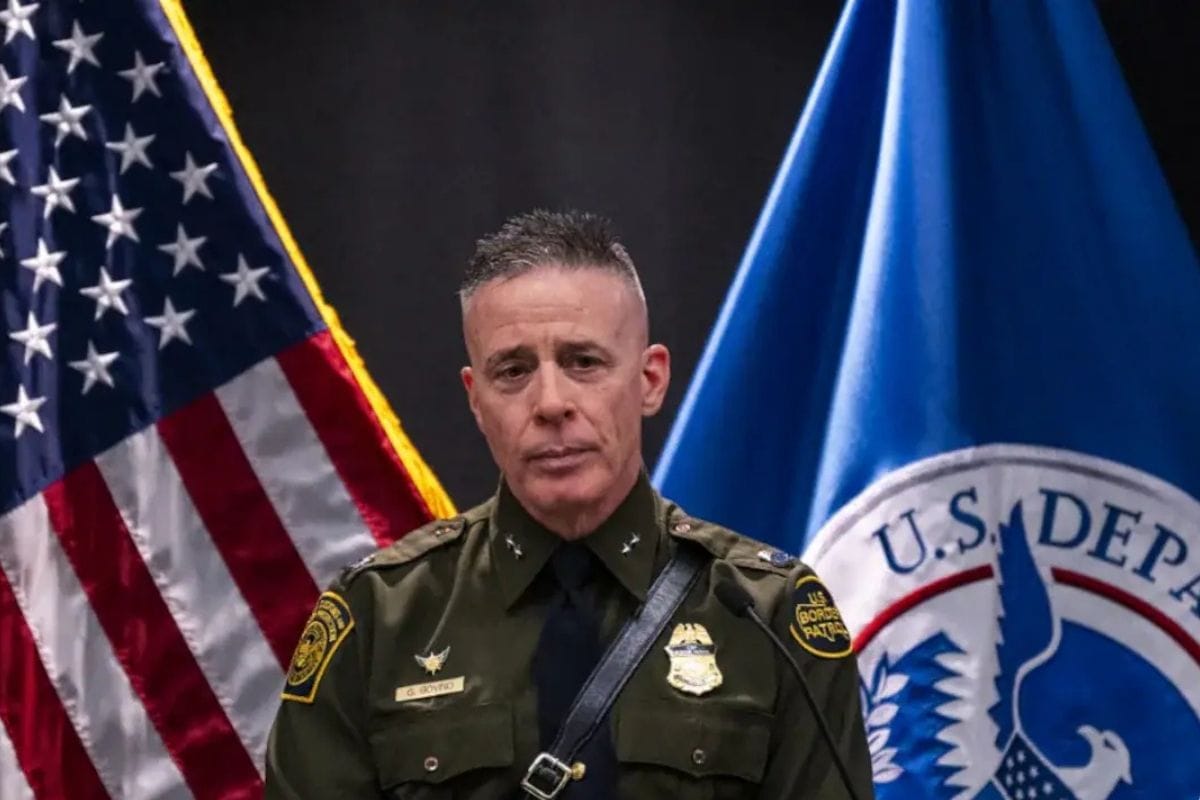
For weeks, his name has loomed large over Minneapolis. To supporters of President Donald Trump’s immigration crackdown, Greg Bovino is a tough, unapologetic enforcer who never backs down. To critics, he represents a dangerous escalation of federal power and a symbol of a strategy that has pushed communities to the breaking point.
Now, as Minnesota reels from two fatal shootings tied to immigration enforcement operations, Bovino, one of the most visible faces of Trump’s nationwide deportation push, is preparing to leave the Twin Cities.
His exit comes at a moment when anger, grief, and political pressure are colliding in Minnesota, raising new questions about how far the Trump administration is willing to go, and at what cost.
A Departure Amid Crisis
Multiple major news organizations reported that Bovino is stepping away from his role in Minneapolis following the deaths of Renee Good and Alex Pretti, two civilians killed during confrontations involving federal immigration agents. While the Department of Homeland Security insists Bovino has not been formally relieved of his duties, officials familiar with the situation say he is returning to his previous post as a Border Patrol chief along the California–Mexico border.
At the same time, the White House announced that Trump’s border czar, Tom Homan, will take over as the administration’s point person in Minnesota. The timing has fueled speculation that Bovino’s departure is an attempt to calm a volatile situation rather than a routine reassignment.
For many Minnesotans, the move feels overdue. For others, it raises fears that the crackdown is far from over.
The Man Behind the Uniform
Greg Bovino’s rise did not happen quietly. He has been central to some of the Trump administration’s most aggressive immigration operations, earning both praise and condemnation for his hard-line approach.
Born in California and raised in North Carolina, Bovino developed an early fascination with the Border Patrol. Family members have said his interest was sparked by the 1982 movie The Border, which he felt unfairly portrayed agents. That sense of loyalty to the agency and a desire to project strength have defined his career.
He joined the Border Patrol in the mid-1990s and steadily climbed the ranks. By 2020, he was leading operations in Southern California. Under Trump’s second term, his profile exploded.
Bovino became the administration’s go-to figure for “surge” deployments large-scale, heavily armed immigration operations in major U.S. cities.
Operation Midway Blitz and the Chicago Fallout
Bovino first drew national attention during immigration raids in Chicago, where he oversaw an operation that included a helicopter landing near residential buildings and the use of chemical irritants on protesters. Those actions landed him in federal court.
A judge later accused Bovino of lying under oath about the use of tear gas, directly challenging his credibility. Video evidence contradicted his claims, and the court concluded that he had misrepresented key facts.
Despite the legal rebuke, Bovino emerged from the episode with even greater visibility. To his critics, the court findings reinforced concerns about unchecked authority. To his supporters, they only proved he was willing to do what others would not.
Former Border Patrol agents and immigration experts describe Bovino as theatrical, confrontational, and highly aware of his image. One former agent famously dubbed him “the Liberace of the Border Patrol” for his flair, dramatic uniforms, and comfort in front of cameras. Bovino often leaned into the role.
On social media, he mocked critics, celebrated arrests, and portrayed immigration enforcement as a battle between law and chaos. His language framed agents as under siege and protesters as aggressors. That framing became especially controversial after the killing of Alex Pretti in Minneapolis.
“The Agents Are the Victims”
In interviews following Pretti’s death, Bovino repeatedly described federal agents as the true victims of the encounter, insisting that the civilian who was killed had “put himself in that situation.”
Those remarks ignited outrage.
Local officials, witnesses, and Pretti’s family disputed the federal government’s version of events, saying he was not threatening officers and that force was used unnecessarily. The gap between federal statements and eyewitness accounts widened public distrust.
For many in Minneapolis, Bovino’s words felt like a refusal to acknowledge loss or responsibility.
Minneapolis Becomes Ground Zero
Minnesota has become one of the most tense battlegrounds of Trump’s immigration strategy. Thousands of federal officers have been deployed. Protests have filled streets despite freezing temperatures. Businesses have shut down in solidarity with demonstrators.
Community leaders, business executives, and even some Republican officials have called for de-escalation.
Against this backdrop, Bovino’s presence was increasingly seen as inflammatory rather than stabilizing.
Immigration experts say his departure may be an attempt by the administration to change the optics without changing the policy.
“One possibility is damage control,” said one immigration law professor. “Someone has to absorb the fallout when things spiral out of control.”
What Comes Next?
Whether Bovino’s exit signals a broader shift remains unclear.
The Trump administration has shown no sign of abandoning its aggressive deportation agenda. If anything, the decision to send Tom Homan, known for his uncompromising stance, suggests enforcement may intensify, not ease.
But Bovino’s departure does mark the end of a chapter. For supporters of the crackdown, he remains a symbol of toughness and resolve. For critics, he is a warning of what happens when law enforcement becomes performative, and politics overtakes accountability.
Minneapolis is still grieving. Protests continue. Investigations remain unresolved. And as Greg Bovino leaves the city, one question hangs in the air: Was he the problem or just the face of something much bigger?
Only what happens next will provide the answer.