World’s Top Central Bank Chiefs Unite to Defend US Fed Chair Jerome Powell
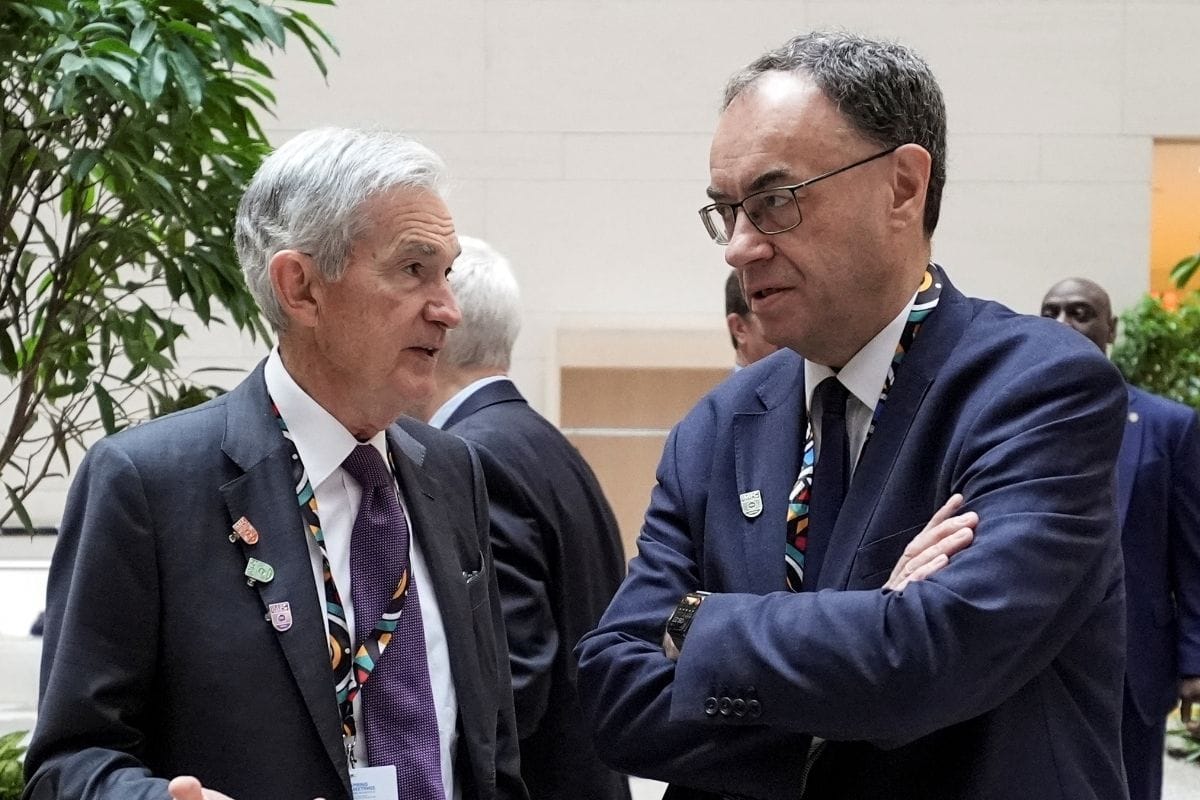
In a rare and powerful show of unity, Central Bank Leaders from around the world have stepped forward to publicly support U.S. Federal Reserve Chair Jerome Powell after the Justice Department opened a criminal investigation into him. The move has sent shockwaves through global financial circles and raised serious concerns about the future independence of central banks, a principle widely seen as essential to economic stability.
Eleven of the world’s most influential central bank chiefs signed a joint statement declaring their “full solidarity” with Powell. The signatories include:
- Andrew Bailey, Governor of the Bank of England
- Christine Lagarde, President of the European Central Bank
- Erik Thedéen, Governor of Sweden’s Riksbank
- Christian Kettel Thomsen, Chairman of Danmarks Nationalbank
- Martin Schlegel, Chairman of the Swiss National Bank
- Michele Bullock, Governor of the Reserve Bank of Australia
- Tiff Macklem, Governor of the Bank of Canada
- Chang Yong Rhee, Governor of the Bank of Korea
- Gabriel Galípolo, Governor of Brazil’s Central Bank
- François Villeroy de Galhau, Chair of the Bank for International Settlements
- Pablo Hernández de Cos, General Manager of the Bank for International Settlements
Together, these leaders represent economies that shape global interest rates, currencies, and financial markets.
Why the Investigation Matters Beyond the U.S.
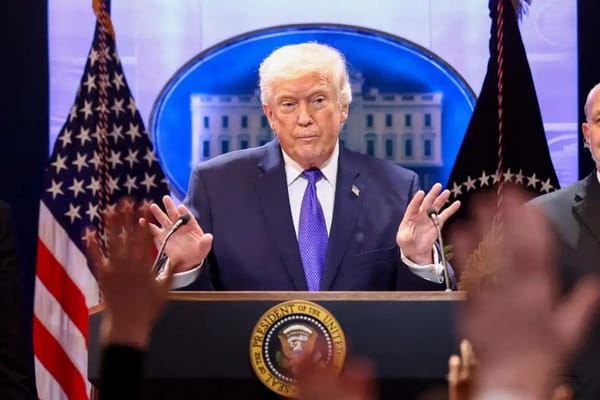
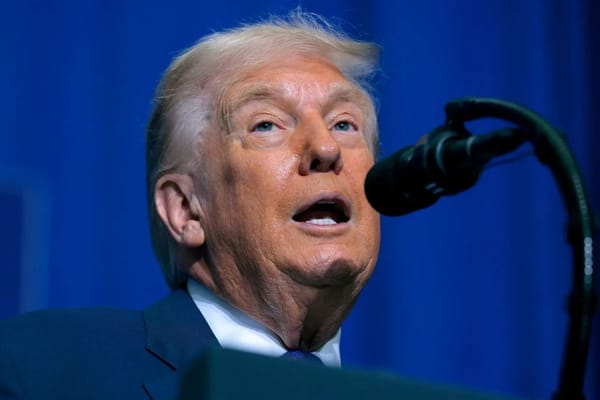
The Justice Department’s probe is reportedly connected to testimony Powell gave to a Senate committee regarding renovations to Federal Reserve buildings. While details of the investigation remain limited, its timing has raised eyebrows. Powell has been under sustained public pressure from President Donald Trump, who has repeatedly criticized him for not cutting interest rates aggressively enough.
Trump has gone beyond policy disagreements, using harsh personal language to attack Powell, calling him a “major loser” and a “numbskull.” The Fed chair largely avoided responding until now.
On Sunday, Powell broke his silence, warning that the investigation risks undermining the independence of the Federal Reserve. He framed the issue not as a personal dispute, but as a fundamental question about how monetary policy should be set.
“This is about whether the Fed will be able to continue to set interest rates based on evidence and economic conditions,” Powell said, “or whether monetary policy will instead be driven by political pressure or intimidation.”
For global markets, this distinction is critical. Central banks are designed to operate independently so they can make difficult, sometimes unpopular decisions aimed at controlling inflation and maintaining financial stability not pleasing politicians.
A Rare Global Statement of Support
The statement of solidarity is notable not only for its content, but for who signed it. The list includes some of the most respected figures in global finance, representing economies that together shape much of the world’s monetary system.
Among the signatories were Andrew Bailey of the Bank of England, Christine Lagarde of the European Central Bank, and Tiff Macklem of the Bank of Canada. Leaders from central banks in Australia, South Korea, Brazil, Switzerland, and Sweden also added their names.
They emphasized that central bank independence is not an abstract idea, but a practical necessity that benefits everyday citizens.
“The independence of central banks is a cornerstone of price, financial and economic stability,” the statement said. “It is critical to preserve that independence, with full respect for the rule of law and democratic accountability.”
In simpler terms, they warned that once political pressure starts shaping interest rate decisions, economic stability can quickly unravel.
Powell’s Legacy and the Timing of the Probe
Powell was first nominated as Fed chair by Trump himself in 2017 and later reappointed. His term is set to end in May, and Trump is expected to name a successor soon. That timing adds another layer of complexity, as some lawmakers worry the investigation could be used to force Powell out early or influence the choice of his replacement.
Several U.S. lawmakers, including members of Trump’s own party, have voiced concern. Senator Thom Tillis of North Carolina, a Republican on the Senate Banking Committee, said he would block any nomination for Powell’s successor until the investigation is fully resolved. Since the committee must approve the next Fed chair, this could delay the transition.
Another Republican senator, Kevin Cramer, said he disagrees with Powell’s performance but does not believe the Fed chair is a criminal. He called for a quick investigation to avoid further damage to public trust.
Senator Lisa Murkowski went further, calling the probe “an attempt at coercion.”
Former Fed Chairs Sound the Alarm
Support for Powell has also poured in from three former Federal Reserve chairs: Janet Yellen, Ben Bernanke, and Alan Greenspan. Their collective experience spans decades of economic crises and recoveries, and their voices carry weight.
Yellen, who served as Fed chair before Powell and later as Treasury secretary, described the investigation as “extremely chilling.” She warned that investors should be worried about what this means for the future of U.S. economic governance.
“You have a president saying the Fed should cut rates to lower government debt payments,” she said in an interview. “That’s the road to a banana republic.”
Her message was blunt: if political leaders can pressure or punish central bankers, confidence in the financial system erodes quickly.
Trump Denies Knowledge, But Tensions Remain
President Trump has said he does not know anything about the Justice Department’s investigation into Powell. Still, the long-running tension between the White House and the Fed is undeniable.
Trump has consistently blamed high interest rates for inflation and rising costs, often ignoring the Fed’s role in trying to slow inflation through tighter monetary policy. His public attacks on Powell intensified over the past year, making the investigation difficult to separate from the broader political context.
A Defining Moment for Central Bank Independence
At its core, this moment is about more than Jerome Powell. It is about whether central banks in the U.S. and beyond can continue to operate free from political retaliation.
The unusually strong and unified response from global central bank leaders suggests they see this as a line that cannot be crossed. If the independence of the Federal Reserve is weakened, they fear it could set a dangerous precedent for other countries.
As Powell prepares to step down in the coming months, the outcome of this investigation and how the U.S. handles it may shape not only the future of the Fed but also the credibility of economic institutions worldwide.
For now, one message is unmistakable: when it comes to defending central bank independence, the world’s financial leaders are standing shoulder to shoulder.