YouTube TV and Disney End Blackout as ESPN, ABC Return

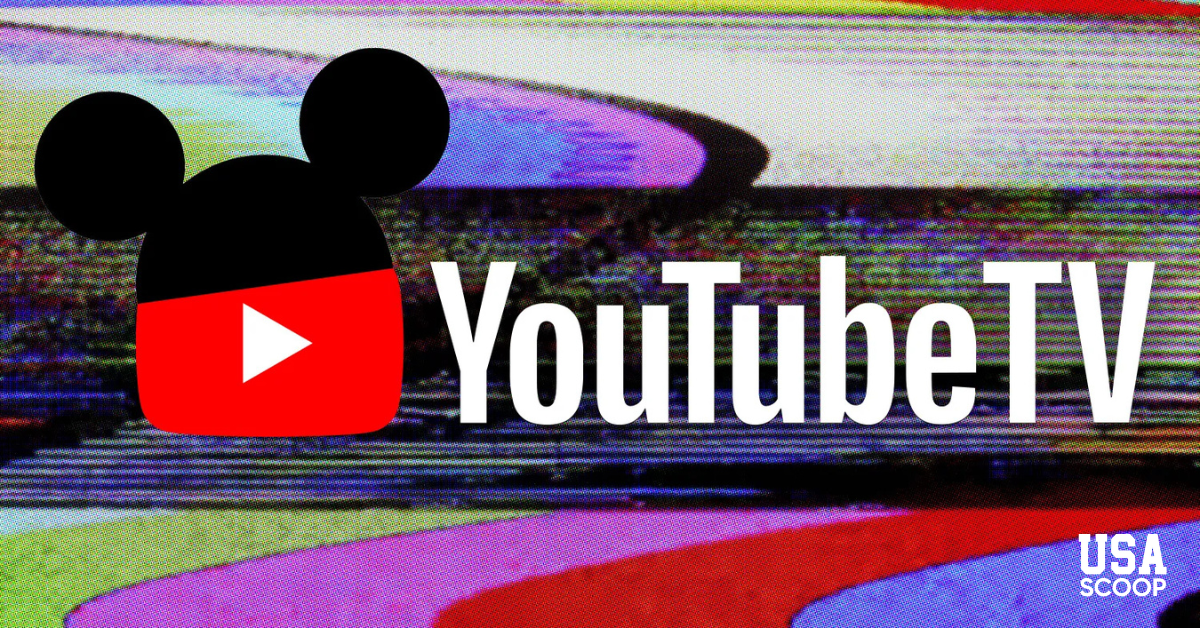
Millions of YouTube TV subscribers finally exhaled on Thursday. After two frustrating weeks of error screens, missing games, and endless Reddit threads begging for updates, the Disney blackout is officially over. The channels people rely on, ESPN, ABC, FX, National Geographic, Freeform, and the rest of Disney’s massive portfolio, are all back on the platform. For viewers who cut the cord specifically to avoid cable-style chaos, this blackout was a brutal reminder that streaming bundles aren’t drama-free either.
It wasn’t just about losing a few channels. This one hit people where it hurt, live sports. ESPN disappearing overnight is like your WiFi dropping right before a Zoom interview, stressful, confusing, and guaranteed to ruin your day. And this time, it happened during a packed sports window that made the blackout feel even worse.
What Went Down
The trouble began on October 30, when Disney pulled its entire network lineup from YouTube TV. Subscribers woke up to find ESPN gone, ABC gone, and even the more niche channels like Nat Geo Wild and Freeform suddenly missing. According to The Washington Post and The Economic Times, this was the nuclear phase of a contract dispute that had been simmering for weeks. Negotiations completely collapsed.
The timing couldn’t have been worse. A stacked college football schedule evaporated. NFL content disappeared. NBA fans relying on ABC broadcasts were left scrambling for alternatives. Sports viewers, who already complain that streaming has made live TV more complicated than it used to be, were furious all over social media.
YouTube TV quickly fired back. Their argument was simple: Disney was asking for fees they said were too aggressive, and YouTube claimed agreeing to those demands would force them to raise prices on subscribers, a touchy subject considering the service already sits at $82.99 per month. They also pointed out that Disney owns Hulu + Live TV, a direct competitor, making the negotiation feel like a strategic squeeze.
Disney clapped back even harder. Executives accused YouTube TV of trying to strong-arm them by refusing fair market rates and then acting surprised when the plug was pulled. An executive told The Washington Post that YouTube TV was undercutting the very content that helped them build their service, a not-so-subtle way of saying YouTube TV became big off the back of channels it didn’t want to properly pay for.
That's when it got personal. Disney claimed YouTube TV yanked the channels before the contract even officially expired, and here’s the kicker that YouTube TV wiped users’ saved recordings in the process. Losing a game broadcast hurts; losing a stack of DVR’d shows is rage-inducing. Viewers didn’t take it lightly.
In a damage control move, YouTube TV offered a $20 credit to affected subscribers, as reported by Yahoo Sports. It was something, but when you miss two weekends of football and lose your recorded content, twenty bucks feels like a Band-Aid on a bullet wound.
The New Deal
Finally, on November 14, the two sides announced a truce. YouTube TV and Disney reached a multi-year agreement that immediately restored the full Disney lineup to the platform. ABC came back. ESPN came back. FX and Nat Geo came back. Everything that vanished is returning as system update.
But there’s a big twist that wasn’t expected - ESPN Unlimited, Disney’s upcoming standalone sports streaming service, will be included in YouTube TV’s base plan at no extra cost by the end of 2026. That’s a major win for sports fans and a huge shift in how Disney intends to scale ESPN’s future.
The decision also says a lot about where Disney sees the TV landscape heading. ESPN has been inching toward a direct-to-consumer model for years, and adding ESPN Unlimited to YouTube TV suggests they’re preparing audiences for the eventual day when ESPN goes fully streaming without the crutch of cable providers.
YouTube TV reassured customers that their missing recordings will be restored and that channels will reappear throughout the day. Disney executives, meanwhile, framed the deal as a commitment to serving viewers wherever they choose to watch, which is a polite way of saying the era of streaming first is officially here.
Why This Is a Big Deal
This blackout was a warning about how fragile the new TV ecosystem really is. For years, the pitch behind cord-cutting was simple: better prices, more flexibility, fewer interruptions. But as more companies consolidate, launch competing bundles, and fight for higher carriage fees, the cracks are showing.
YouTube TV, now one of the biggest live TV streamers in the country, is juggling a growing problem: how to keep its price attractive while acquiring more expensive, premium channels. And as The Washington Post reported, Disney’s portfolio is among the priciest in the entire industry. ESPN alone is a monster in terms of licensing cost.
For Disney, this standoff was about preserving the value of its traditional networks while pushing viewers toward its future, a future where ESPN won’t need cable or even a digital bundle to survive.
For consumers, the lesson is even simpler paying for streaming doesn’t guarantee peace. These contract fights happen behind closed doors until suddenly they hit your screen, and your wallet. And for cord-cutters? You may have won this round. But if past disputes with Roku, Charter, Dish, and others are any indication, this won’t be the last blackout of the streaming era.
What People Are Saying
YouTube TV issued an apology to subscribers and thanked them for hanging on during the outage, according to Yahoo Sports. Disney execs, as reported by The Boston Globe, celebrated the timing of the deal, especially with a major college football weekend ahead.
But online, people are already looking at the 2026 ESPN Unlimited integration and asking the big question: is Disney using YouTube TV as a launchpad before eventually pulling ESPN off bundles entirely? It’s speculation, but the kind consumers pay attention to.
Takeaway
The blackout is over, the channels are back, and fans can finally watch their games in peace. But don’t be fooled. This showdown was just one episode in a much bigger fight over the future of TV. As the biggest players in media and tech battle over pricing, control, and streaming dominance, subscribers remain the collateral damage. Today brings relief. But, tomorrow will probably rest another standoff.