Zelensky Rejects Russia’s Claim of Drone Attack on Putin Home
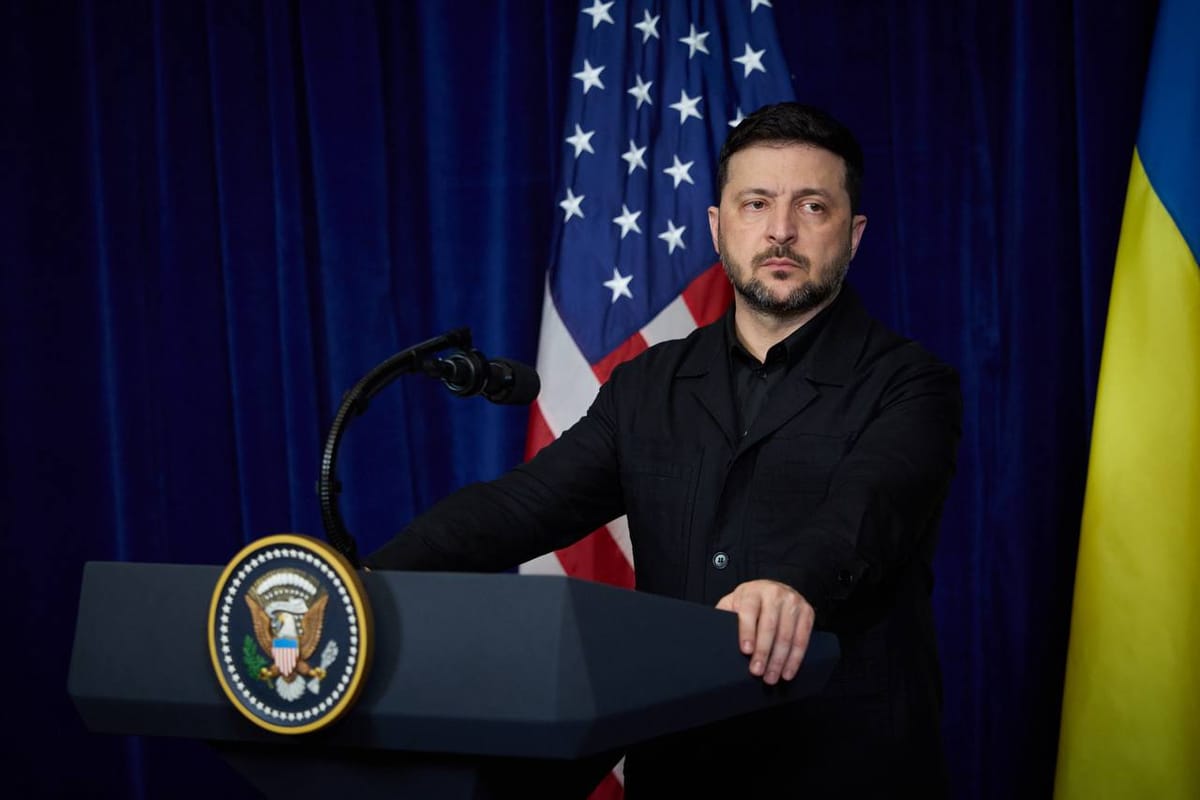
Ukraine has strongly rejected Russia’s claim that it launched a drone attack on one of President Vladimir Putin’s residences, calling the allegation false and politically motivated. Ukrainian President Volodymyr Zelensky said the accusation is part of a familiar pattern used by Moscow to derail peace talks just as negotiations begin to show progress.
The claim surfaced at a sensitive time, shortly after Zelensky met U.S. President Donald Trump in Florida to discuss a revised peace plan aimed at ending Russia’s nearly four-year war in Ukraine. Kyiv insists the allegation is a distraction meant to justify continued Russian aggression rather than a reflection of real events.
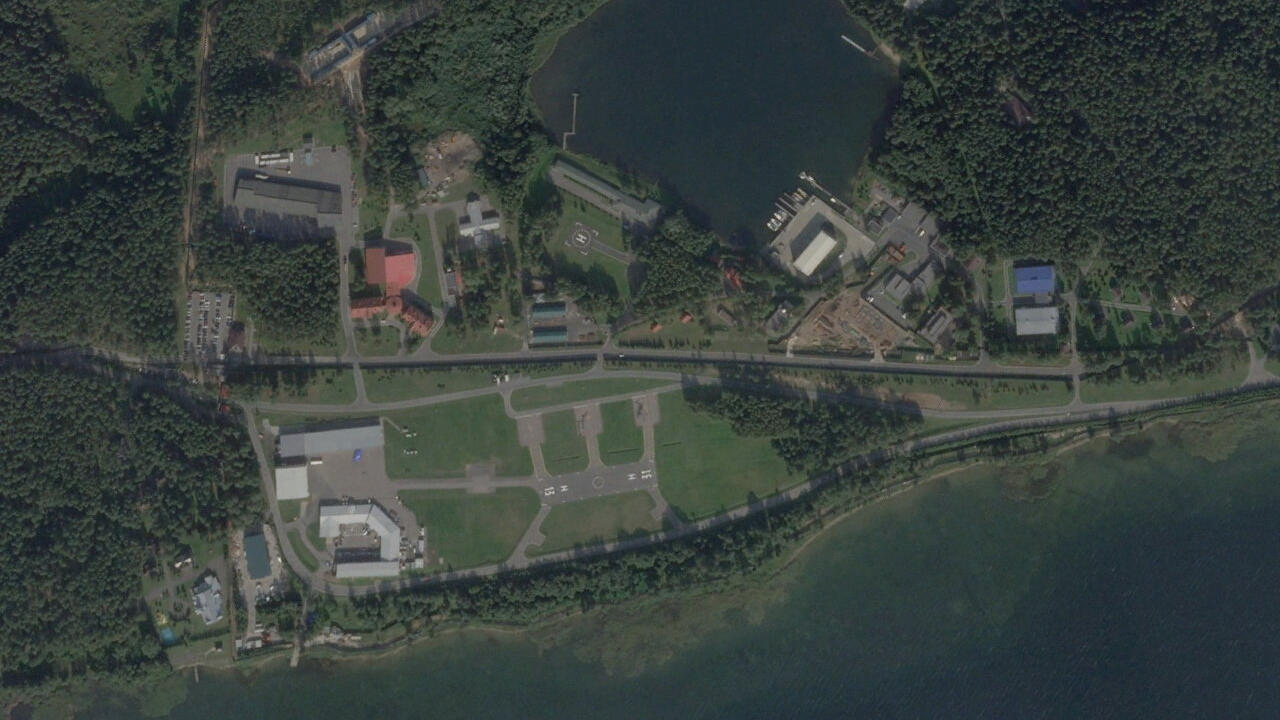
Russia Alleges Drone Attack on Putin’s Residence
Russia’s foreign minister, Sergei Lavrov, alleged that Ukraine launched 91 long-range drones overnight at a state residence used by President Putin in Russia’s Novgorod region. According to Lavrov, all drones were intercepted by Russian air defence systems, and no casualties or damage were reported.
Russian officials did not provide independent evidence to support the claim, and it remains unclear whether Putin was present at the residence at the time. Despite this, Lavrov said the alleged attack would force Moscow to reconsider its approach to peace negotiations, accusing Ukraine of engaging in what he called “state terrorism.”
At the same time, Russia said it does not plan to withdraw entirely from talks with the United States, suggesting a harder negotiating stance rather than a complete breakdown in diplomacy.
Ukraine Denies Allegations and Accuses Russia of Sabotage
Zelensky dismissed the accusation as “typical Russian lies,” arguing that Ukraine has no reason to launch such an attack and everything to lose by doing so. He warned that Russia is attempting to create a crisis to undermine diplomatic momentum.
“The world mustn't stay silent now,” Zelensky said. “We cannot allow Russia to sabotage efforts to achieve a lasting peace.”
Ukrainian officials also pointed out that Russia has repeatedly accused Kyiv of dramatic escalations in the past, often without proof, while continuing to strike Ukrainian cities and infrastructure. Zelensky noted that Russia itself has targeted government buildings in Kyiv and other major cities throughout the war.
Ukraine’s position remains that peace is only possible if Russia stops spreading disinformation and engages honestly in negotiations.
Peace Talks Show Progress but Key Issues Remain
The dispute comes just days after talks between Zelensky and Trump in Florida, which both leaders described as productive. Zelensky said about 90% of a 20-point peace plan had been agreed upon, while Trump stated that security guarantees for Ukraine were “close to 95% done.”
Despite that progress, major issues remain unresolved. Territorial disputes continue to be the most difficult hurdle. Russia currently controls about 20% of Ukraine, including most of the Donbas region in the east. Moscow wants Ukraine to withdraw fully from these areas, a demand Kyiv has repeatedly rejected.
Zelensky has said the future of the Russian-occupied Zaporizhzhia nuclear power plant and territorial arrangements in Donbas are still unresolved. He also stressed that Ukraine cannot win the war or secure peace without continued U.S. support.
“I don’t trust Putin,” Zelensky said in an interview. “He doesn’t want success for Ukraine.”
Trump, Putin, and Rising Tensions Around the Talks
After the Florida meeting, Trump spoke by phone with Putin. According to Kremlin adviser Yuri Ushakov, Putin raised the alleged drone attack during the call and suggested it occurred shortly after what the U.S. viewed as successful talks.
Ushakov claimed Trump was angered by the information and suggested it could affect Washington’s approach to working with Ukraine. However, Trump’s public comments later appeared less certain.
Initially, Trump said he was unaware of the alleged incident. He later acknowledged that Putin told him about it, but admitted there was no independent confirmation. “We’ll find out,” Trump said, adding that the attack might have never happened.
The confusion has only added to scepticism among observers, many of whom see the claim as another example of how fragile the peace process remains.
Despite rising tensions, Zelensky has said there is still a chance to end the war in 2026 if international support holds and negotiations continue. European leaders have echoed cautious optimism while urging strong security guarantees for Ukraine.
For now, Ukraine’s message is firm: it denies the allegation entirely and warns that false narratives must not be allowed to derail efforts toward peace. Whether diplomacy survives this latest dispute may depend on how firmly the international community responds and whether facts can prevail over accusations.