Zohran Mamdani Makes History as New York’s First Muslim Mayor in 190 Year History
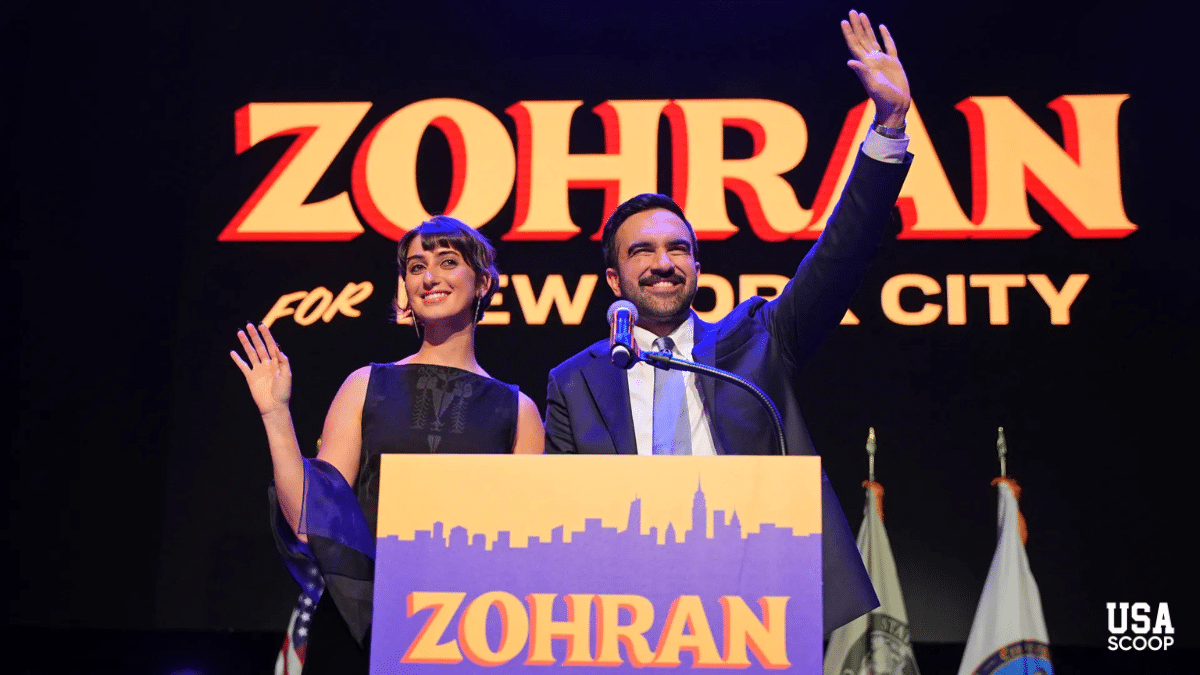
New York City has elected its new mayor - and in a landmark result, Zohran Mamdani will become the city’s first Muslim mayor in its 190-year history. His victory over former governor Andrew Cuomo and other contenders signifies a major shift in the city’s political dynamics.
Mamdani, 33, a Queens-based Democratic state assemblymember running as a progressive and self-declared democratic socialist, captured the mayoralty with a message centered on affordability, labor rights, and structural reform. Yet his ascent also stirred major controversy, friction with national figures, and intense scrutiny of his policy proposals.
Groundswell Campaign Meets Historic Moment
Mamdani’s campaign was powered by grassroots organizing, digital outreach, and appeals to younger voters and renters frustrated by soaring housing costs and economic inequality. According to Newsweek, turnout in the 2025 race exceeded 2 million, the largest in decades.
His platform included ideas such as freezing rents on regulated units, taxing income over $1 million at a higher rate, and expanding city-run grocery programs proposals that drew both support and skepticism.
National Spotlight & High-Stakes Politics
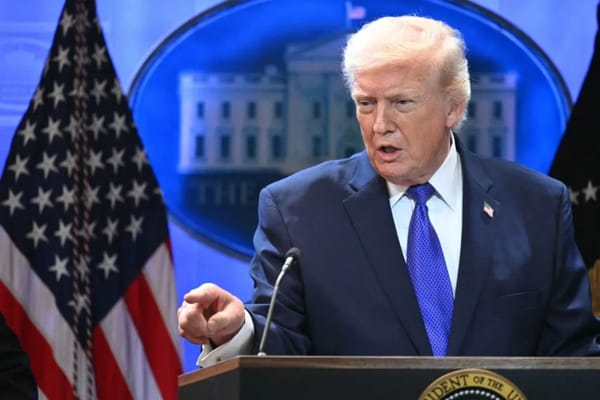
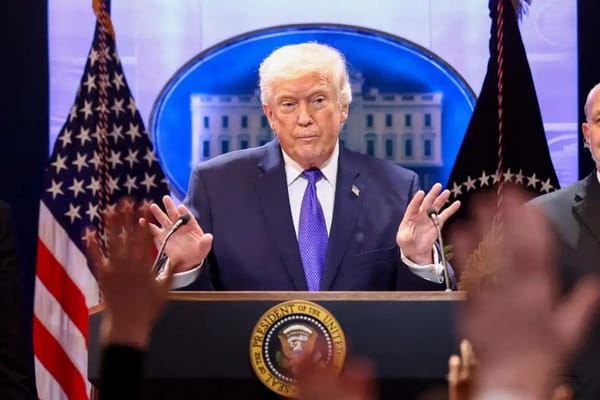
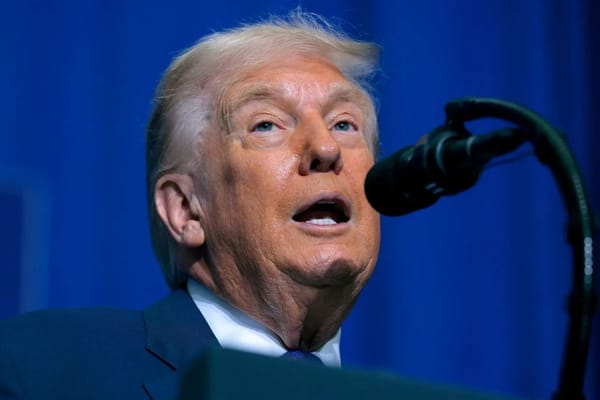
Mamdani’s win didn’t happen in a vacuum. The race drew national attention and became a proxy for broader ideological battles. President Donald Trump publicly endorsed Cuomo over Mamdani, calling the progressive challenger a “Communist” and threatening to withhold federal funding from New York City if Mamdani prevailed.
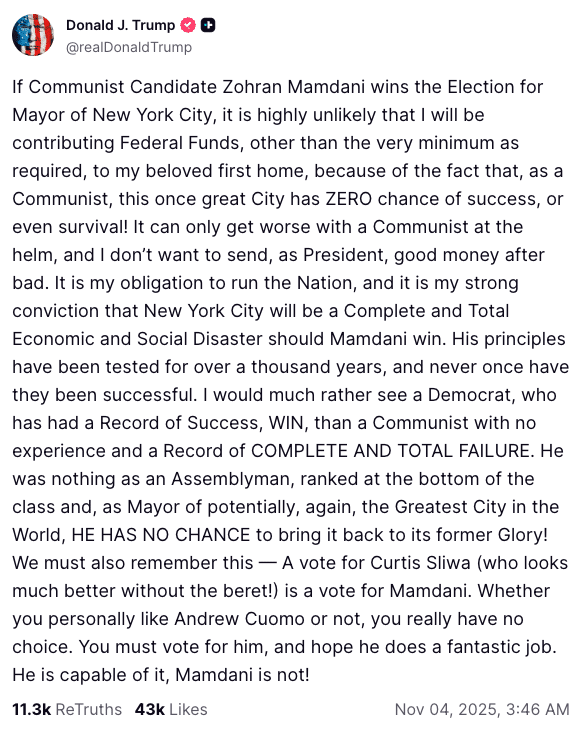
Mamdani didn’t shy away from the showdown. In his victory speech he explicitly called on Trump:
“So, Donald Trump — since I know you’re watching — I have four words for you: Turn the volume up.” The Guardian
Observers noted that Trump’s stance might not simply reflect opposition but strategic calculation. Some commentators argued that a Mamdani victory would allow Trump and his allies to portray the Democratic Party as controlled by far-left interests.
Controversy, Identity & Institutional Resistance
Mamdani’s historic candidacy also triggered sharp debate over identity, religion and experience. As the city’s first Muslim mayor, he represents a milestone for representation. At the same time, critics raised questions about his experience for the top job and the cost projections of his agenda.
The campaign’s final weeks took on heated tones. Accusations of Islamophobic attacks surfaced, particularly as opponents sought to link Mamdani to foreign entities or leverage his Ugandan-Indian heritage in negative narratives.
Cuomo himself issued warnings that the president might deploy federal resources or even the National Guard in response to a Mamdani win.
What It Means for New York - And Beyond
Mamdani’s victory isn’t just a personal win. It signals a shift in major-city politics and possible realignment within the Democratic Party. His supporters believe New York is turning a page. Critics worry about budget pressures and policy risks.
Now comes the hard part: governance. New York’s economic recovery post-pandemic, the housing crisis, transit infrastructure and public-safety debates loom large. Mamdani takes office in January 2026 with a mandate — but also with deep expectations and serious institutional resistance.
In fact this is not teh first any young candidate has become New York's Mayor, Check out The 5 Youngest Mayors In NYC History